
Getting Started with Digital Photography
Digital photography has changed how we capture and share our lives. Whether you’re using a phone or a professional camera, understanding the basics will help you take better photos.
Understanding Your Camera
Every camera works the same way at its core. Light comes through a lens and hits a sensor. The sensor records that light as a digital image. The key is learning to control how much light gets in and for how long.
Modern cameras have many automatic features. But knowing what they do helps you make better choices. You don’t need to use manual mode all the time, but understanding the basics makes a big difference.
The Three Main Settings
There are three settings that control how your photos look. These work together to create the final image.
Aperture
The aperture is how wide the lens opens. A wider opening lets in more light. It also makes the background blurry, which photographers call “bokeh.” A narrow opening keeps more of the scene in focus.
You’ll see aperture written as f-numbers like f/2.8 or f/16. Smaller numbers mean wider openings. Larger numbers mean narrower openings. It seems backwards at first, but you’ll get used to it.
Shutter Speed
Shutter speed is how long the sensor sees light. Fast speeds freeze motion. Slow speeds blur motion. If you’re taking photos of sports, you need fast speeds. If you want to show flowing water, you might use slow speeds.
Shutter speeds are measured in fractions of a second. 1/1000 is very fast. 1/30 is slower. Anything slower than 1/60 usually needs a tripod to avoid camera shake.
ISO
ISO controls how sensitive your sensor is to light. Low ISO values like 100 work great in bright light. High ISO values like 3200 help in dark places. But high ISO adds grain or “noise” to your photos.
Modern cameras handle high ISO better than old ones. But it’s still best to use the lowest ISO that works for your situation.
Composition Makes the Difference
Technical settings matter, but composition is what makes a photo interesting. Composition is how you arrange things in your frame.
Rule of Thirds
Imagine your photo divided into nine equal parts with two horizontal lines and two vertical lines. Important parts of your photo should go where these lines meet. This creates more interesting photos than putting everything in the center.
Most cameras can show you these lines on the screen. Turn on the grid feature if you have it.
Leading Lines
Look for lines in your scene that lead the eye to your subject. Roads, fences, rivers, and building edges all work as leading lines. They guide the viewer through your photo.
Framing
Use natural frames within your scene. Doorways, windows, tree branches, and arches all work well. They draw attention to your subject and add depth to the photo.
Lighting is Everything
Good light makes average subjects look great. Bad light makes great subjects look average. Learning to see and use light is the most important photography skill.
Golden Hour
The hour after sunrise and before sunset gives the best natural light. It’s soft, warm, and flattering. Shadows are gentle and colors look rich.
Professional photographers often plan shoots around these times. If you can only shoot at one time of day, make it golden hour.
Harsh Midday Light
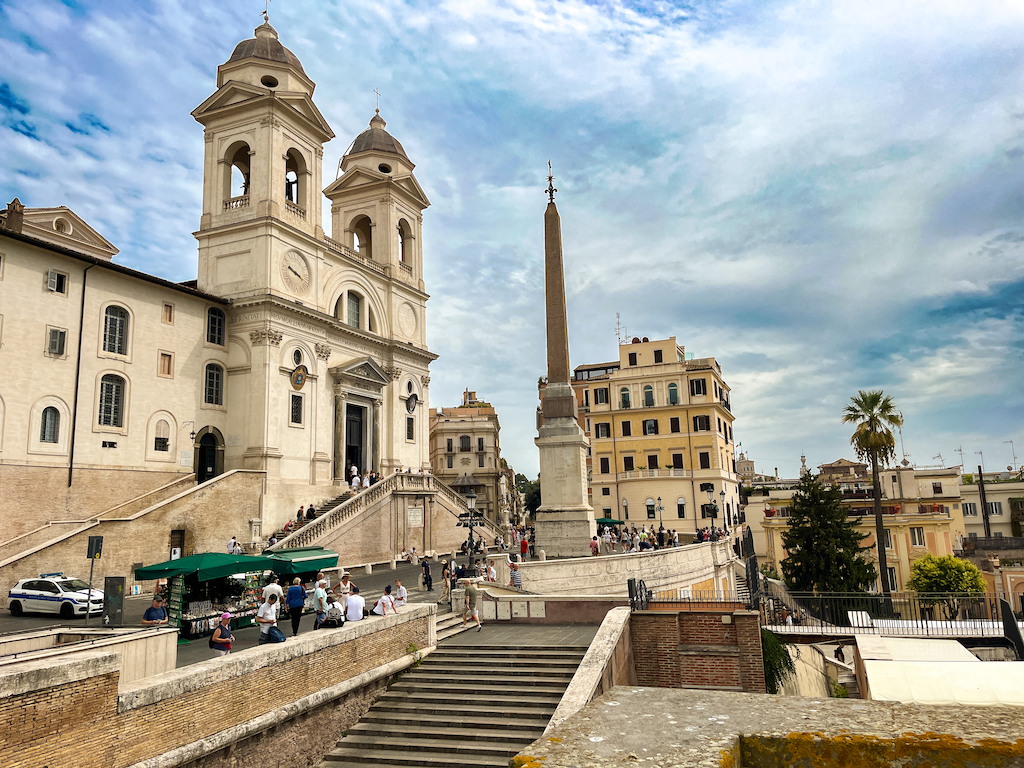
Bright overhead sun creates hard shadows and washed-out colors. If you must shoot at midday, look for shade or use it creatively. Some subjects like architecture can work in harsh light.
Direction of Light
Front lighting is flat but easy. Side lighting adds dimension and drama. Back lighting creates silhouettes and rim light effects. Move around your subject to see how different angles change the mood.
Practice and Experiment
The best way to improve is to take lots of photos. Try different settings and see what happens. Digital photography lets you experiment without wasting film.
Look at photos you admire and figure out how they were made. What settings might they have used? How was it composed? What was the light like?
Join a Community
Share your work and get feedback. Online photography groups and local camera clubs help you learn faster. Seeing other people’s work inspires new ideas.
Don’t worry about having expensive gear. Every photographer started with basic equipment. Focus on learning to see and telling stories with your images.
Conclusion
Photography is a journey, not a destination. The technical stuff becomes second nature with practice. Then you can focus on the creative parts: finding interesting subjects, capturing emotion, and telling stories.
Start with these basics and build from there. Take your camera with you often. The more you shoot, the better you’ll get. Most importantly, have fun with it.